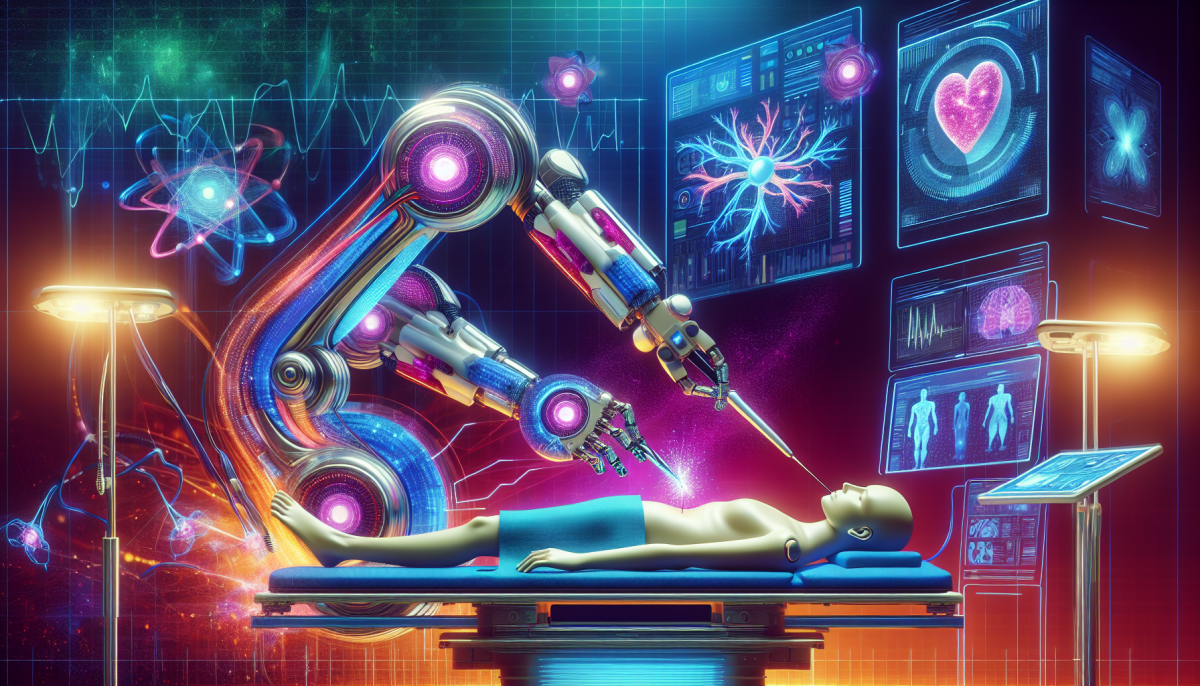
AI tools are changing the game in patient care, making healthcare smarter and more efficient. These innovative solutions are designed to help both patients and providers get the best outcomes possible. Imagine a world where your medical records are analyzed in real-time to predict health issues before they happen. That's the power of AI!
One of the coolest things about AI in healthcare is its ability to personalize treatment. For example, AI can analyze data from countless patients with similar conditions to suggest the most effective therapies. This means less guesswork and healthier choices for patients. No more one-size-fits-all approach!
AI chatbots are also stepping up to the plate. They’re available 24/7 to answer patient questions, schedule appointments, and even guide users through basic symptoms. This not only reduces the workload for medical staff but also helps patients get answers when they need them, right away.
Then there’s predictive analytics, which uses AI to forecast trends and potential health crises. Healthcare providers can get ahead of issues, ensuring patients receive timely interventions. This proactive approach can lead to better health outcomes and potentially save lives.
Revolutionizing Diagnostics with AI Technology
AI technology is changing the way we approach diagnostics in healthcare. Imagine walking into a clinic where an AI tool helps doctors pinpoint your illness in a snap. These tools analyze mountains of data faster than any human could, providing insights that lead to quicker, more accurate diagnoses.
One of the coolest parts of AI in diagnostics is its ability to learn from each case. With every new piece of data, these systems get smarter. They can spot patterns that might escape even the most experienced doctors. It's like having a super-smart assistant who's always on the lookout for the best solutions.
Plus, AI tools can sift through vast amounts of medical literature, keeping doctors up to date with the latest research and treatments. This means that patients benefit from cutting-edge knowledge, even if their doctor isn't a specialist in a particular area. If something new pops up in the research world, AI can help doctors stay ahead of the game.
With AI, diagnosing conditions isn't just quicker—it's also more personalized. By analyzing a patient’s unique data, these tools can suggest treatments that are tailored specifically to the individual. This personal touch is a game-changer in making healthcare better for everyone.
Streamlining Operations in Healthcare Facilities
Imagine an AI system that learns from past patient visits. It can help predict when patients are likely to show up, allowing facilities to prepare better. This not only reduces wait times but also enhances the overall patient experience. Plus, when AI takes care of scheduling, it can help optimize staff shifts, ensuring the right people are there at the right times.
AI can also assist with inventory management. Healthcare providers often struggle with keeping track of supplies. But with smart tracking systems, hospitals can maintain optimal stock levels, reducing waste and costs. By knowing exactly what’s available and what’s running low, healthcare facilities can make smarter purchasing decisions.
Another major advantage is data management. Storing and accessing patient records can take a lot of time. AI simplifies this process, making it easier to retrieve important information quickly. This not only helps healthcare staff but also improves patient care by ensuring that no crucial detail is overlooked during consultations.
Improving Patient Engagement through AI Solutions
AI solutions are changing how healthcare providers connect with patients. With the right technology, doctors and clinics can personalize interactions and really engage with each patient. Imagine software that remembers your history, preferences, and even your concerns. That's what AI can do!
Chatbots are an awesome example. They're available 24/7, answering patient questions and scheduling appointments at any time. No more waiting on hold or wondering when you'll get a reply. Plus, they can send reminders for check-ups or medication refills, keeping patients on track with their health.
AI can also help tailor treatment plans based on individual data. By analyzing test results and health records, AI can suggest therapies that are likely to work best for each patient. This means more effective care and better outcomes. When patients know their treatments are customized for them, they feel more involved and engaged in their healthcare.
Lastly, AI can help gather feedback from patients easily. Through surveys or quick check-ins, healthcare providers can understand what's working and what needs improvement. This continuous loop of feedback makes patients feel heard and valued, creating a stronger bond between them and their medical team.